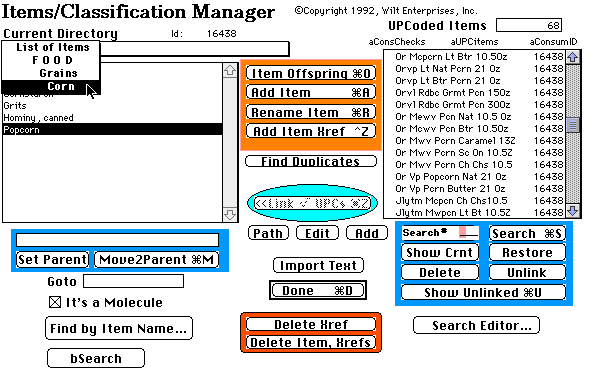
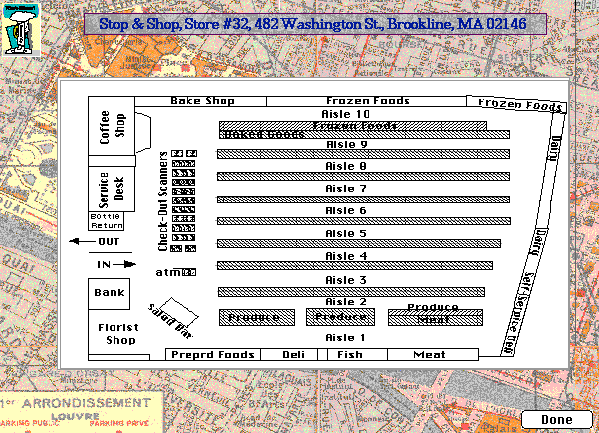
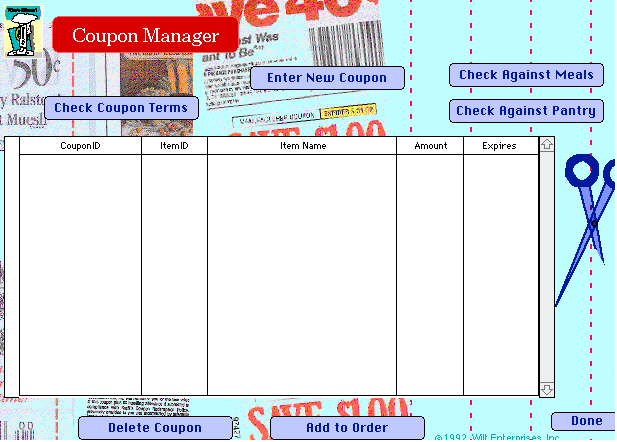
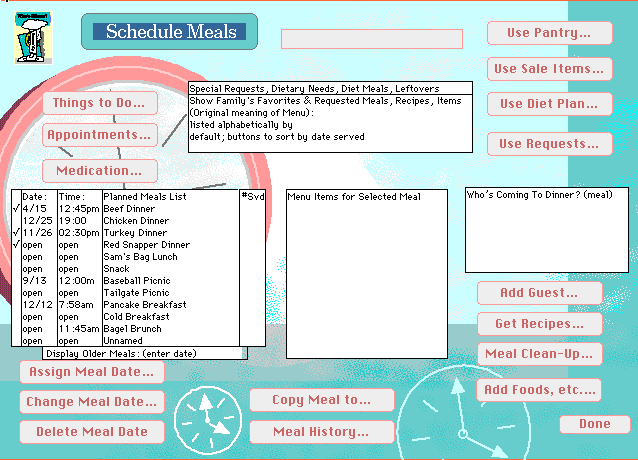
With some emendation, this is the story we told grocery chains, starting in 1991, as we sought their support in bringing What's4Dinner?© to market:
Grocery shopping is a time-consuming task. Shoppers try to simplify the task; grocers try to do the same, but they're caught in the dilemma of a hybrid business that derives revenue both from advertising (renting facings, or shelf-space-and-location, or "shoppers' attention span") as well as from the sale of goods. As manufacturers tried the old "differentiate-and-conquer" marketing techniques of old, they introduced an absolute glut of new products that needed shelf-space to be sold. This produced an expansionist imperative for grocery stores.
That, in turn, merely exacerbated the shoppers' problems--more miles of aisles, more product choices--usually with a reduced amount of time for shopping. It's no wonder that most shoppers find the task an unpleasant necessity. We kept thinking there ought to be a better way, and that computers could help provide it.
In our view, the challenge was to simplify all the very complex tasks of dealing with food in the home, because shopping is merely one task among many in that process. And, while industrial tasks may seem complex enough to "computerize," it turns out that, because of the sheer variety of complicated tasks in the home that center around food, an industrial-strength-plus solution is required for the kitchen.
To that end, we have designed a personal-computer-based program that would help those of your customers who are time-pressed but wish to plan their meals efficiently, eat well, run their homes efficiently and shop efficiently. And you, as a grocer, need not lose any of the marketing and additional revenue opportunities you now get for renting facings to manufacturers because consumers need not grace your grocery aisles to do their shopping; myriad opportunities exist in the digital domain to replace--and even enhance--those on-site "analog" or physical opportunities.
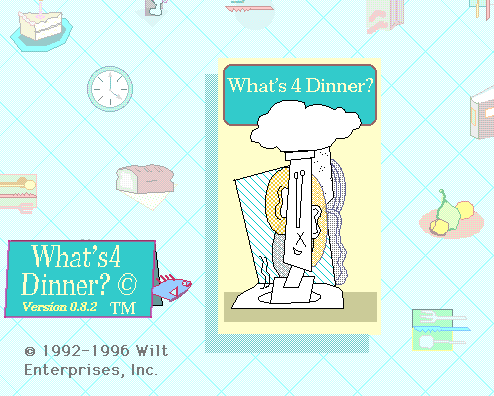
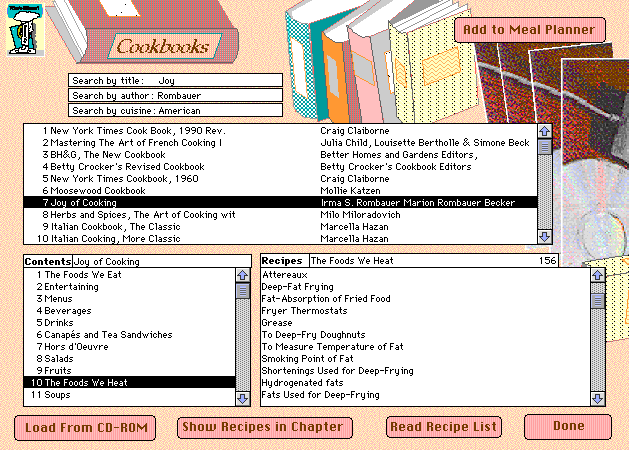
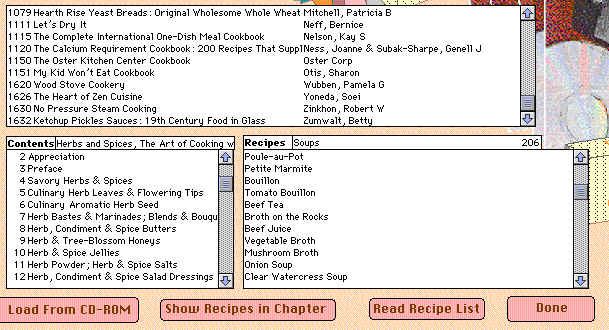
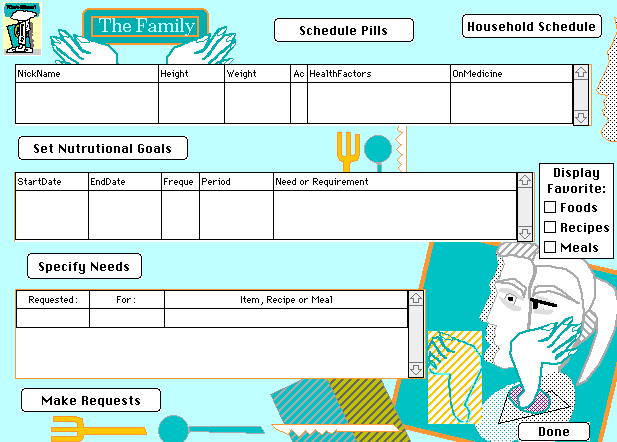
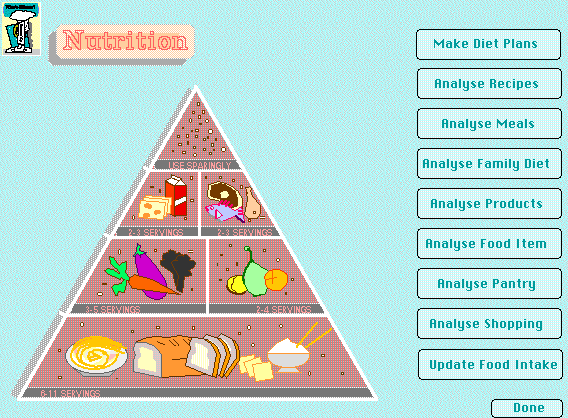
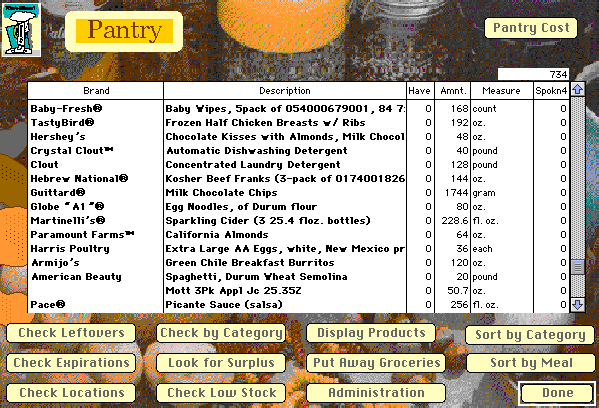
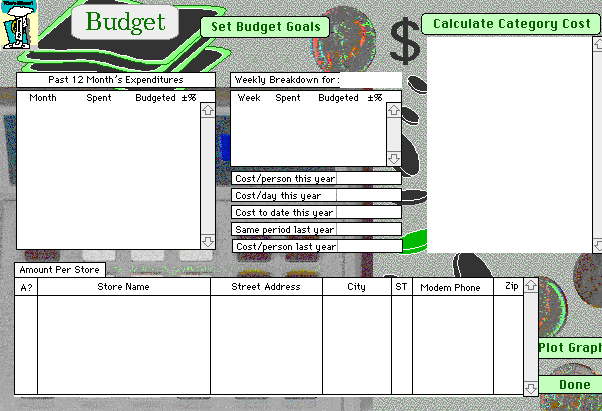
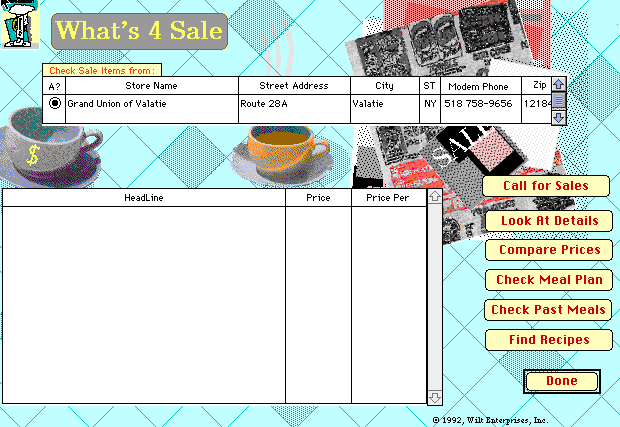
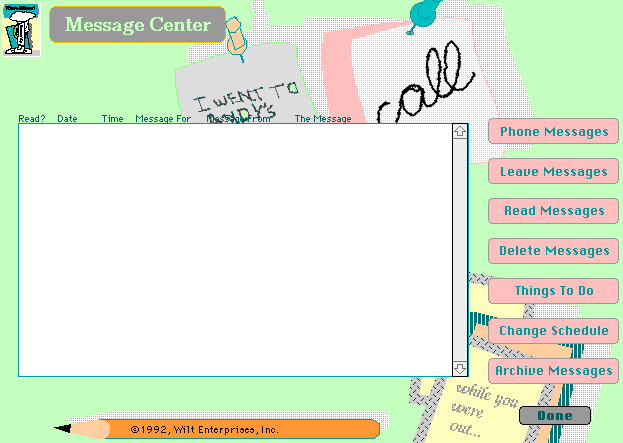
The opening screen seeks to set the tone, more like a game than a chore, introducing George, the kitchen assistant. The next two screens, menu one and menu two, indicate some of these areas of capability.
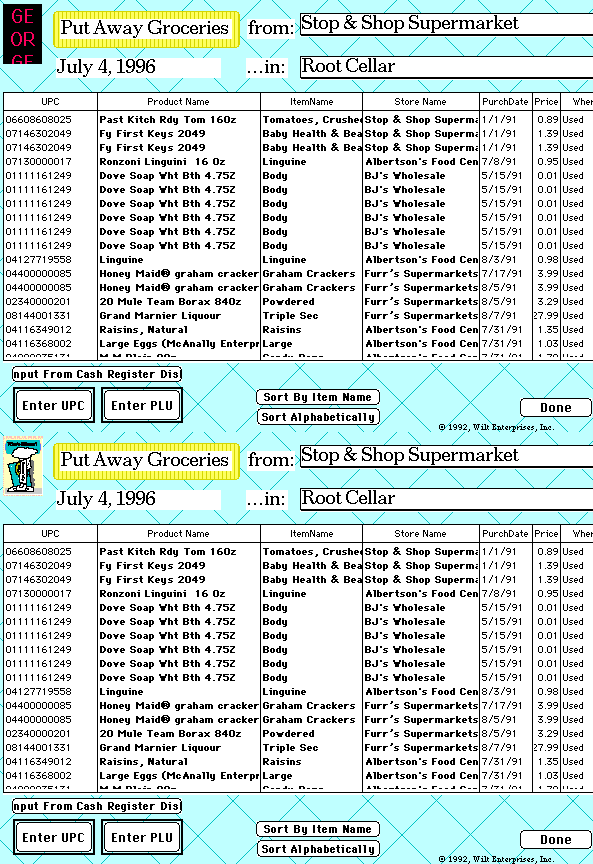
The program is built to handle:
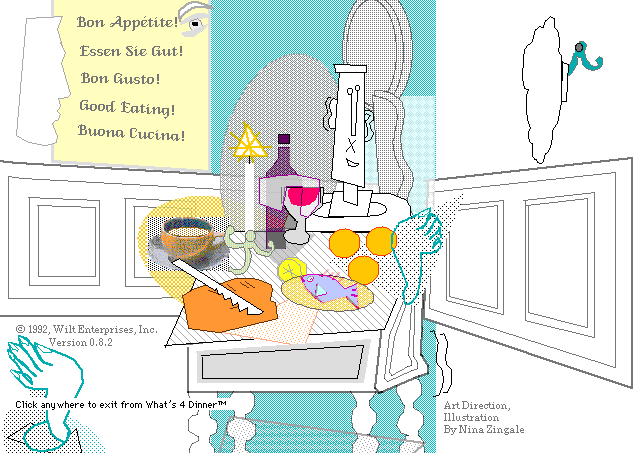
The closing screen looks like this, George having completed his "work."
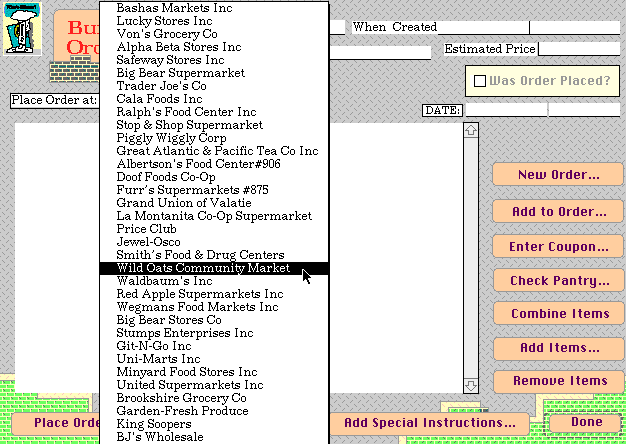
It is my view that grocers could further simplify the lives of their customers by providing this software to them, linked into their particular stocking list, enhanced by on-line sales or specials information from the store to the customer (Jewel-Osco is doing this now), volume discounts over time, on-line grocery ordering, order-picking, and even home delivery.
Eight years have passed since we began showing this to people from coast to coast, starting at the National Grocers' Association show in New Orleans in January, 1991. Now, folks everywhere, from Telecommunications Inc.'s (TCI) John Malone and Procter & Gamble, to Peapod, Borders' WebVan, Anderson Consulting, Stop & Shop, Whole Foods & Bread & Circus, to Dominick's Finer Foods, Hannaford Brothers, Shaws, Streamline, Shopper's Alternative, Tops, Ralphs, Vons, various European vendors (many of whom own American grocery chains), all are getting into the act.
WebVan has just inked a deal to create more automated order-fulfillment warehouses (this is really the only way to go, because fulfilling orders from actual grocery stores--which are "set" or layed out to deliberately slow the consumer (more time for "impulse buying" in the atmosphere of saliva-producing baking bread smells from the in-store bakery)--is just plain inefficient.
Campbells Soup is offering recipes on the Internet; Kraft has pounced, with some of the several hundred product-based domain names it registered with the former Internic (if they paid their bills lately, now that Internic is getting at least some of its bill-collecting automated). Levi Strauss may have already dropped it's sexist Personal Pair fitted jeans-for-women system and allow men to order jeans that are custom-made, as well--and maybe even online.
Newspapers perhaps suffered some losses when grocery chains started to print colored grocery inserts (others set up or bought printing plants, as did the Langs in Albuquerque, to do the printing for the grocers and maybe not lose a cent).
I predict that newspapers will lose more business when shoppers can do their shopping online, unless newspapers rapidly explore and take advantage of the opportunities available now (as the Chicago Tribune and Ameritech did some years ago by investing in Peapod, and Check-Free, and America Online).
While I certainly could be mistaken, I think applications of the kind suggested by this What's4Dinner?© prototype, will bring home (the bacon of) what "disintermediation" will look like.
At any rate, that's a sampling of the kitchen home information appliance. This "appliance" function, and the ones for other rooms, other activities, require a robust, industrial strength relational database, both in the home and on distributed servers, a couple hundred megabytes of live hard disk storage, and more on CD-ROM, powerful telecommunications and a rich suite of capabilities that support what people are up to in their lives. If the tools provide that kind of support, people will adopt them, enthusiastically. If not, they won't.
That's been my view since I started this effort almost a decade ago, it's been bolstered with focus group experience, and with the direction development of the Worldwide Web has taken.
It's what's next.
Bill Wilt
e-mail address: wilt@rt66.com
What's4Dinner?© is Copyright 1989-1999 by Wilt Enterprises, Inc.