
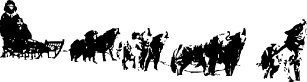
The Iditarod Trail was originally used by prospectors searching for gold in the 1800's. The trail passed through the town of Iditarod, named for the Indian word "haiditarod" meaning "a distant place." This trail was used as a major transportation route until the early 1900's. In 1925, there was a diphtheria epidemic in the city of Nome This disease could only be treated by a serum that was soon in short supply. The closest serum that could be found was in Anchorage, on the other side of Alaska. The serum was brought to the town on Nenana by train and then from there it was decided that the only safe way to get the serum to Nome was by a relay of dog sled teams. These teams traveled over 700 miles, much of it following the Iditarod Trail. It was a difficult and dangerous trip with below freezing temperatures and treacherous conditions, but due to the bravery of many courageous mushers and their fearless sled dogs, the serum arrived in Nome in time to save the lives of many. Two of the most famous mushers and their dogs were Leonhard Seppala and his dog, Togo, and Gunnar Kaason and his dog, Balto. There is a statue of Balto in New York's Central Park commemorating this great feat.
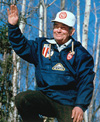
In 1967, Joe Redington, Sr. and Dorothy Page decided to sponsor a sled dog race that would remind people of the importance of sled dogs in Alaska's history. They were concerned about sled dogs having been replaced by snowmobiles in recent years and started the Iditarod Race to renew interest in sled dog racing as a sport and a means of transportation. In 1973, the race trail extended from Anchorage to Nome, approximately 1100 miles and it has been held yearly ever since. Redington and Page have been named "the Father and Mother of the Iditarod" and the race is known as "The Last Great Race on Earth." Today, the increased interest in dog sled racing is apparent as approximately 60 -70 mushers a year take on the difficult challenge of the Iditarod.
Learn more here: http://www.iditarod.com/last_race.html
